
Blog
|
Learn
21st Century Community Learning Centers: Guide to California's 21st CCLC Program
Learn how California's 21st Century Community Learning Centers grants fund after-school programs for K-12 students.
On this page:
If you've spent any time in school administration or parent volunteering, you've probably seen the acronym 21st CCLC program pop up in a grant announcement or a district planning meeting. It sounds technical, and the federal language around it doesn't help. But the program itself is straightforward and worth understanding.
Whether you're a school administrator exploring funding, or a parent curious about what's available, here's what you need to know.
What is the 21st CCLC program?
The 21st Century Community Learning Centers (21st CCLC) program is the only federal funding source dedicated exclusively to out-of-school time programs.
It provides five-year grants so schools and community organizations can run before-school, after-school, and summer programs for students who need them most.
It currently supports nearly 1.4 million students across the country each year through academic support, STEM enrichment, and expanded learning opportunities. 21st CCLC funding is allocated to each state based on its share of Title I funding for low-income students.
The program has been around for over two decades. It was first authorized in California through the No Child Left Behind Act of 2001, and when ESSA replaced that law in 2015, it reauthorized 21st CCLC with a renewed focus on evidence-based practices and comprehensive student support.
How California's 21st CCLC funding works
In California, the program is administered by the California Department of Education's Expanded Learning Division, which awards competitive grants to organizations that want to create or expand programs for students in transitional kindergarten through twelfth grade.
California splits its 21st CCLC money into two tracks serving different age groups.
The elementary and middle school program serves students in transitional kindergarten through ninth grade. It funds before-school, after-school, and summer programming with an emphasis on academic support and enrichment. Base grants can reach up to $112,500 per year per site, with additional funding available for larger schools. Elementary schools with more than 600 students and middle schools with more than 900 students can qualify for those larger awards.
The After School Safety and Enrichment for Teens (ASSETs) program is the high school counterpart, serving students in grades nine through twelve. ASSETs focuses on college and career readiness alongside academic enrichment and family literacy services. These grants can be awarded up to $254,500 per year per site.
Both tracks provide funding for five consecutive years, contingent on federal funding availability and compliance with reporting requirements. That sustained investment is one of the biggest advantages of the program. Five years gives organizations enough runway to plan, launch, refine, and demonstrate real impact.
What does a 21st CCLC program look like?
On the ground, a 21st CCLC program looks like a well-structured after-school program with real intention behind it. The specifics vary from site to site, but every program is expected to deliver three core components.
Academic support
This is the foundation. Students get tutoring, homework help, and hands-on learning in core subjects like reading and math. The idea isn't to replicate the school day. It's to reinforce what students are learning in the classroom through more engaging, evidence-based approaches.
Programs are expected to help students meet state academic standards, and they use a mix of instructional strategies to get there. For younger students, that might look like literacy games and small-group reading circles. For older students, it could mean SAT prep or project-based math activities. The common thread is that the learning feels different from what happens during the regular school day.
Enrichment activities
This is where programs get creative, and it's often the part that students get most excited about. STEM and STEAM programming, arts and culture, physical fitness, career exploration, service-learning, social-emotional development, character building. The range of enrichment is broad, and programs have the flexibility to tailor it to their community's interests and needs.
Many sites partner with outside organizations to bring in specialized programming. For example, a school might work with STEM education company to offer hands-on STEM clubs in subjects like robotics, chemistry, or 3D printing. These partnerships let programs offer high-quality enrichment without having to build every curriculum from scratch.
Family engagement
One thing that sets 21st CCLC apart from many other funding sources is its requirement to serve families, not just students. Programs must offer educational services to the families of participating students. That can include family literacy nights, parent workshops, resources for supporting learning at home, and events that bring families into the school building in meaningful ways.
This family component is a big deal. When parents are engaged, students do better. And when a program creates regular check-ins with families, it builds the kind of trust and connection that keeps students showing up consistently.
Who can apply for 21st CCLC funding?
The applicant pool is broader than most people think. School districts are the most common applicants, but community-based organizations, nonprofits, charter schools, faith-based organizations, cities and counties, parks and recreation departments, and even for-profit corporations are all eligible. Consortiums made up of multiple agencies can apply together too.
The main requirement is that applicants must propose to serve Title I schools with high poverty rates. Specifically, the school needs to either operate a schoolwide Title I program or have at least 40% of students eligible for free or reduced-price meals while also being identified as needing intervention and support.
As for students, every student attending an eligible school can participate in the program, subject to capacity. And it's completely free for families, which removes one of the biggest barriers to participation.
How to apply for a 21st CCLC grant
The application process is competitive, and it takes real preparation. Here's how it generally works.
The California Department of Education releases a Request for Applications (RFA) when a new funding cycle opens. Interested organizations attend required pre-application training sessions, then develop comprehensive proposals that include their program design, budget, evaluation plan, evidence of organizational capacity, and strategies for sustainability beyond the grant period.
One important requirement is collaborative planning. Federal statute requires that programs be developed with input from parents, students, school staff, government agencies, community organizations, and private sector partners. Reviewers want to see that your program was shaped by the community it serves.
Applications are reviewed by independent evaluators using standardized rubrics, and awards are announced after a rigorous review process. If you're considering applying, the best thing you can do is start early. Build your community partnerships, assess your organizational readiness, and monitor the CDE's Expanded Learning Division website for RFA announcements well in advance.
What makes 21st CCLC different from a lot of other grants is the timeline. Instead of scrambling to reapply every year, grantees get five consecutive years of funding. That gives programs time to hire and train staff, build community partnerships, and actually see whether what they're doing is working. It's the kind of stability that lets a good program grow into a great one.
21st CCLC vs. ASES vs. ELOP
California has a few different expanded learning funding sources, and understanding how they relate to each other helps schools get the most out of what's available.
21st CCLC is federally funded through ESSA. It awards five-year competitive grants covering K-12 and requires a family engagement component. It specifically targets high-poverty, low-performing schools.
ASES (After School Education and Safety) is state-funded through Proposition 49. It provides three-year grants with renewal priority for schools with high free and reduced-price meal percentages. ASES focuses primarily on elementary and middle schools and currently receives about $794 million in statewide funding.
ELOP (Expanded Learning Opportunities Program) is also state-funded and serves transitional kindergarten through sixth grade. Schools meeting certain criteria are required to offer ELOP programming, and the funding can be combined with ASES or 21st CCLC through cost-sharing arrangements.
These programs aren't mutually exclusive. Many schools layer multiple funding sources to build more comprehensive programming.
A school might use ASES funding for its core after-school program, add ELOP dollars to extend hours or serve younger students, and bring in 21st CCLC funding to expand enrichment offerings and add a family engagement component.
Understanding how these pieces fit together gives your school more options.
Does the 21st CCLC program work?
The short answer is yes, and there's solid data behind it.
National and state evaluations consistently show that students who regularly participate in 21st CCLC programs attend school more often, show improvements in reading and math, complete homework more consistently, and display better classroom behavior.
A 2021 evaluation of California's expanded learning programs confirmed these trends, finding that regular participants were more engaged in school and showed meaningful academic gains.
The five-year grant structure plays a big role in these outcomes. Programs have enough runway to develop, improve, and build the kind of trust with families that leads to consistent student participation. When a student attends the same after-school program year after year, the cumulative benefit is significant.
It's also worth noting that California holds its 21st CCLC programs to a set of state quality standards covering areas like safe environments, active learning, youth voice, equity, and continuous improvement. Programs are expected to align with them and show ongoing progress throughout the grant period.
STEM enrichment with All Things Science
If your school runs a 21st CCLC program and you're looking for high-quality enrichment to fill your programming, All Things Science partners with schools and expanded learning programs across California to deliver hands-on STEM programs that parents and students love.
All Things Science provides weekly after-school clubs, in-school labs, and summer programs right on school campuses. This makes it simple for schools to offer strong STEM enrichment without added overhead.
21st CCLC program FAQ
What does 21st CCLC stand for?
21st Century Community Learning Centers. It's the only federal funding source dedicated to out-of-school time programs like before-school, after-school, and summer programs.
How much funding does a grant provide?
Up to $112,500 per year for elementary and middle school sites, and up to $254,500 per year for high school ASSETs sites. Grants last five years.
Do families pay for 21st CCLC programs?
No. Programs are free for all participating students and families.
What's the difference between 21st CCLC and ASES?
21st CCLC is federally funded with five-year grants covering K-12. ASES is state-funded with three-year grants for elementary and middle schools. Schools can use both funding sources together.
What activities do programs offer?
Academic tutoring and homework help, plus enrichment like STEM programs, arts, fitness, career exploration, and social-emotional learning. Family engagement activities are also required.
Who can apply for a grant?
School districts, nonprofits, community organizations, charter schools, cities and counties, and more. Applicants must serve eligible Title I schools with high poverty rates.
How do I find out if my child's school has a 21st CCLC program?
Ask at the front office, check the school's website, or contact community organizations in your area. You can also reach out to the California Department of Education's Expanded Learning Division at expandedlearning@cde.ca.gov or 916-319-0923.
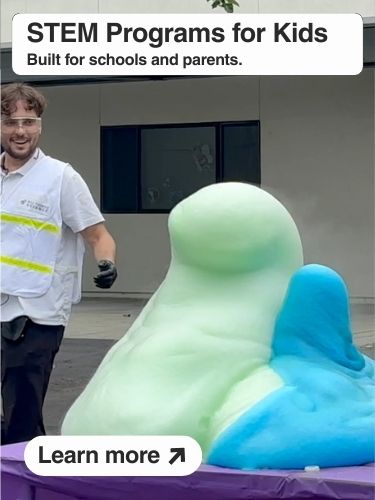
Hands-on STEM for parents and schools
Give your students access to great after-school STEM programs year-round
Get started ➔


.jpg)
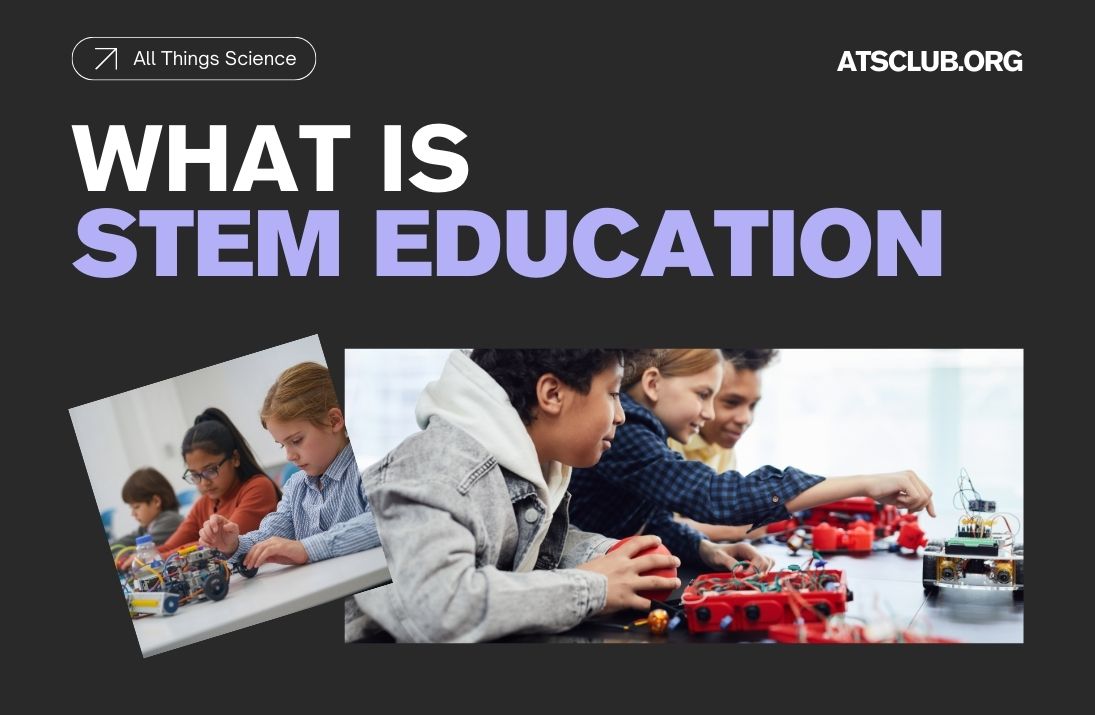
Take a Look at our Featured Articles
Dive into the vibrant world of STEM through articles from your favorite scientists and engineers, all in one place.


Join the 1000+ families enrolled in All Things Science
Tell us where to send you some free STEM resources today.


