
Blog
|
Learn
The Ultimate Guide to After School Programs (2026)
A complete guide to after school programs, including benefits, types, costs, and how to find the right fit for your child.
On this page:
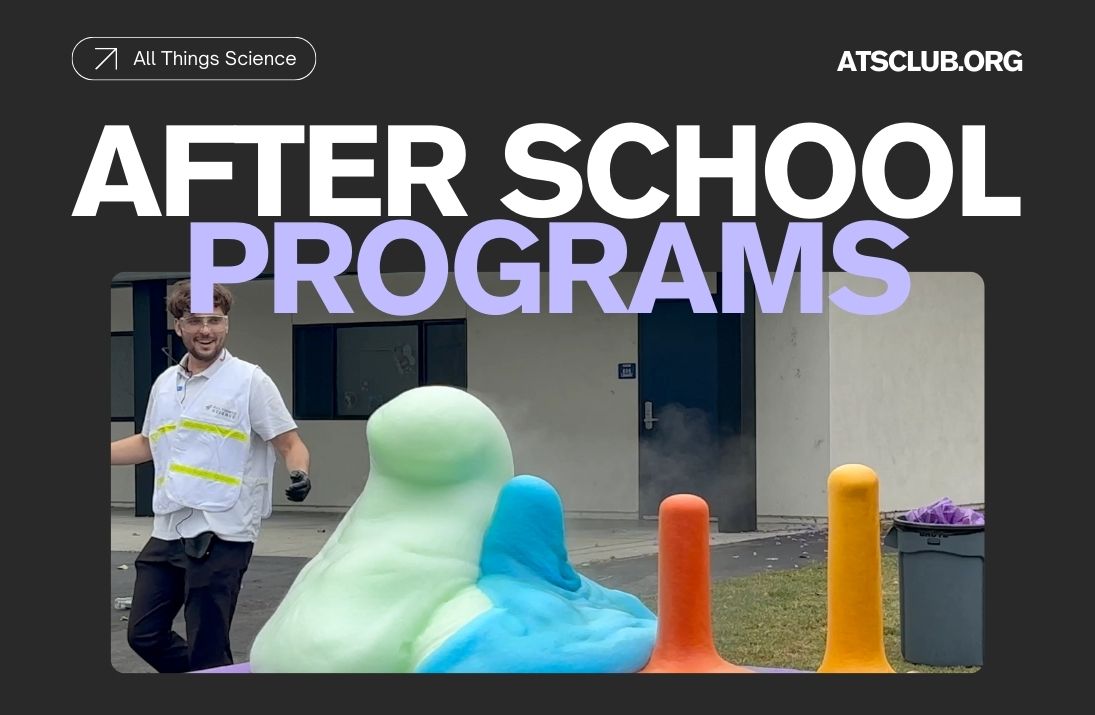
When the school day ends, many families are still thinking about what comes next. After school programs fill that space by giving students time to explore interests, connect with peers, and keep learning in a more relaxed, hands on setting.
Whether you are a parent looking for a safe and meaningful option after dismissal or an educator supporting families in your school community, this guide covers what after school programs are, how they work, what they typically cost, and how to choose the right fit for your students or children.
What are after school programs?
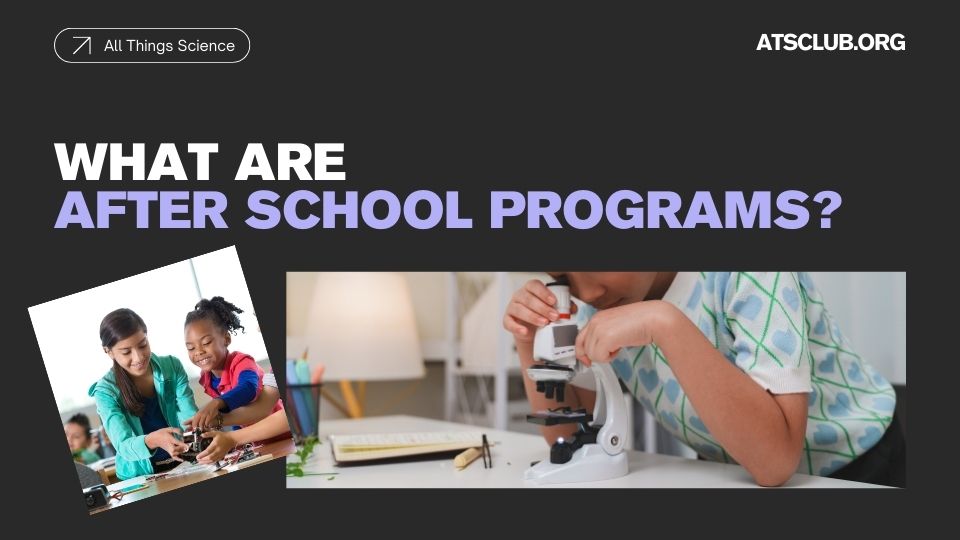
After school programs are structured activities that take place outside of regular school hours, most often between 2 PM and 6 PM. They provide a supervised environment where students can stay safe, remain engaged, and continue learning after the school day ends.
These programs vary widely in focus and structure, depending on the needs of students and families.
After school enrichment vs general after school care
The phrase “after school program” can mean very different things. In some cases, it refers to basic supervision and free play. In others, it describes structured programs like robotics, art, or sports. Understanding the difference between general after school care and enrichment programs makes it easier to choose what actually fits your child and your family.
General after school care
General after school care programs focus on supervision and consistency. They typically run from school dismissal until around 6 PM and provide a safe place for students while parents are at work. These programs are often offered by school districts or organizations like the YMCA or Boys & Girls Club.
Activities are usually low structure and may include free play, snacks, board games, outdoor time, or movies. Many programs also offer before school care starting early in the morning for families who need extended coverage.
General after school care is a good fit for families who need reliable, full afternoon supervision rather than a specific learning focus.
After school enrichment programs
Enrichment programs are designed around a specific subject or skill. Instead of general supervision, they focus on helping students learn and practice something new, such as STEM, art, music, sports, or drama.
These programs are typically led by instructors with experience in the subject area and follow a structured curriculum or project based format. Sessions usually last one to two hours and meet one or more days per week on campus right after school.
Enrichment programs are a strong option for families looking for more than supervision and for students who want to explore interests like rocketry, coding, dance, chemistry, or engineering in a focused setting.
Many families use a mix of both. A student might attend general after school care most days while also participating in one or two enrichment programs each week that take place on campus.
Types of after school programs
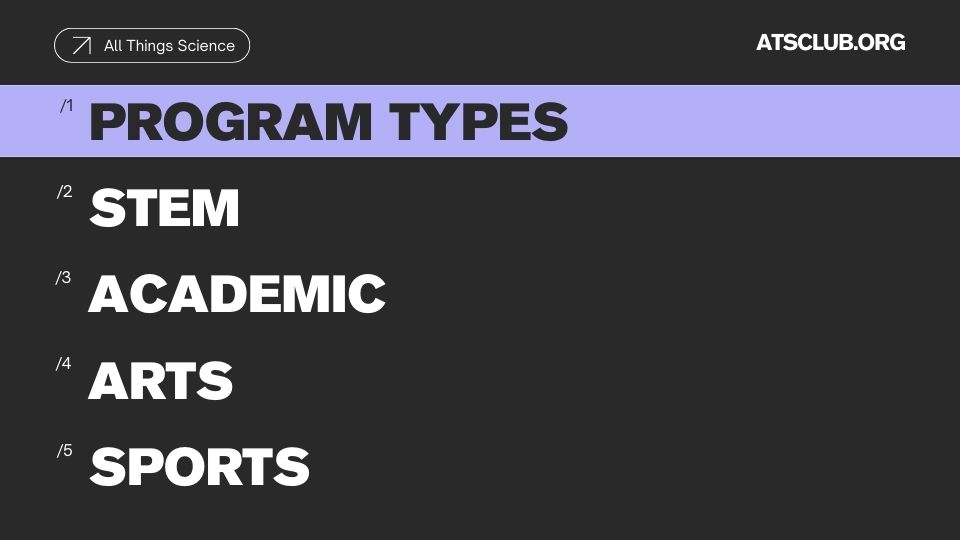
Not all after school programs serve the same purpose. Some focus on academics or STEM subjects like physics, while others center on creative interests, physical activity, or skill building. Understanding the different types can help you choose what best fits your child.
STEM after school programs
STEM after school programs focus on science, technology, engineering, and math through hands on activities. Students may work on 3d printing projects, circuits builds, biology labs, or science experiments. These programs emphasize problem solving and real world application rather than worksheets or lectures.
Best for: Students who enjoy building and problem solving.
Academic enrichment programs
Academic enrichment programs focus on supporting learning outside the classroom. These often include homework help, tutoring, test preparation, or extra practice in subjects like math, reading, and science. They are designed to reinforce what students are learning during the school day and build confidence with schoolwork.
Best for: Students who need extra academic support.
Creative arts programs
Creative arts programs give students outlets for self expression and creativity. These programs may include visual arts, music, theater, dance, or performance based activities. They allow students to explore interests that are not always emphasized during the regular school day.
Best for: Students who enjoy creative expression.
Sports and physical activity programs
Physical activity programs focus on movement, fitness, and teamwork. These can include organized sports, martial arts, dance based fitness, or general movement games. They help students stay active while building coordination, discipline, and social skills.
Best for: Students who like to stay active.
Life skills programs
Some after school programs focus on practical life skills. These may include cooking, leadership development, financial literacy, or project based teamwork. The goal is to help students build skills they can use both in and outside of school.
Best for: Students building practical life skills.
Language and cultural programs
Language and cultural programs expose students to new languages and cultures. Examples include Spanish clubs, sign language programs, or cultural enrichment activities that promote global awareness and communication.
Best for: Students interested in languages and culture.
Whether offered by schools or community partners, after school programs give students opportunities to learn in settings that are often more flexible and hands on than the traditional classroom.
According to the Afterschool Alliance, more than 10 million children in the United States participate in after school programs, and that number continues to grow as families recognize the value of these experiences.
Benefits of after school programs
The benefits of after school programs go well beyond filling time after dismissal. When done well, these programs support long-term academic growth, social development, and family stability in ways the regular school day often cannot.
Academic growth over time
Students who consistently participate in high quality after school programs often show stronger academic outcomes. Research from the U.S. Department of Education has linked participation in programs like 21st Century Community Learning Centers to improvements in math, reading, and classroom behavior.
These gains are not about more homework. They come from steady routines, extra practice, and learning in smaller, less pressured settings.
Stronger problem solving skills
Many after school programs emphasize hands on learning. Whether students are building, experimenting, or working through challenges together, they practice thinking through problems step by step.
This is especially common in STEM clubs, where students learn how to test ideas, adjust their approach, and keep going when something does not work the first time.
Social skills that develop naturally
After school settings give students time to interact in ways that feel less formal than the classroom. Group projects and shared activities help students practice communication, cooperation, and conflict resolution without the pressure of grades.
These experiences often build confidence for students who may be quieter or less comfortable speaking up during the school day.
Early exposure to interests and strengths
After school programs give students the chance to try things they may not encounter in class. This could be coding, art, theater, science, sports, or leadership activities.
Trying different programs helps students discover what they enjoy and what they are good at, which can influence future academic choices and long term interests.
Safe and supervised afternoons
For families who cannot be home right after school, after school programs provide a safe and structured environment. Students stay engaged in supervised activities instead of spending long afternoons unsupervised or on screens.
This consistency benefits both students and parents.
Support for working families
After school programs help families manage the gap between school dismissal and the end of the workday. Reliable coverage reduces stress and allows parents to plan their schedules with confidence.
This support is one of the main reasons schools and communities invest in after school programming.
Taken together, after school programs are not simply an extension of the school day. They support learning, build confidence, and provide structure that benefits students and families over time.
How to choose the right after school program for your child
With so many options available, from STEM and arts to sports and tutoring, it is easy to feel overwhelmed. Choosing the right after school program does not need to be complicated. The goal is to find something that fits your child’s personality, energy level, and needs.
This framework can help you narrow your options and make a confident choice.
1. Start with your child’s interests and energy
Think about how your child feels at the end of the school day. Some kids still have energy and want to build, move, or create. Others need something calmer after a full day of learning.
It also helps to consider how your child likes to learn. Some students thrive in group settings, while others do better with smaller groups or more focused attention.
Including your child in the conversation can make a big difference. When kids help choose their activities, they are more likely to stay engaged.
2. Be clear about your goals
Before comparing programs, decide what you want the program to provide. Some families are looking for academic support. Others need reliable supervision while they work. Some want to expose their child to new interests like STEM, art, or sports.
Knowing your main goal makes it easier to rule out programs that are not the right fit.
3. Consider location and logistics
Convenience matters more than many families expect. Programs that take place on your child’s campus or close to home tend to work best long term.
It is also worth thinking about transportation and pickup timing. A strong program is only helpful if it fits into your daily routine.
4. Look closely at the schedule
Before enrolling, review the program schedule carefully. Pay attention to which days it meets, how long sessions last, and whether there is a minimum commitment.
Ask how the program handles early dismissal days, holidays, or schedule changes. Flexibility can make a big difference over the course of the school year.
5. Review staff experience and safety
A quality after school program should be clear about who is working with students and how they are supervised. Programs should have trained, background checked staff and a reasonable student to instructor ratio.
Clear routines and communication around safety are also good signs that a program is well run.
6. Ask a few practical questions
Simple questions can tell you a lot. Ask what a typical day looks like, how behavior is handled, and how students are grouped.
If possible, see whether families are allowed to observe or visit a session. Transparency usually reflects strong organization.
7. Trust what you see
Finally, trust your instincts. If a program feels disorganized or unclear, that often shows up over time. If students look engaged, supported, and comfortable, that is usually a good sign.
If a trial period is available, take advantage of it. A short test run can help you and your child decide if the program is the right long term fit.
How much do after school programs cost?

Cost is one of the first questions most families ask, and the answer is rarely simple. After school program pricing varies widely based on location, schedule, and the type of program offered. The good news is that there are options at many different price points.
Understanding how pricing works can help you compare programs more confidently and avoid surprises.
Typical pricing ranges
Most after school programs charge either an hourly rate or a weekly or monthly fee. Hourly pricing is more common for drop in care or tutoring, while enrichment programs usually charge by the week or session.
General after school care programs often range from about $50 to $150 per week. Enrichment programs, such as robotics, coding, or music, are often priced around $20 to $30 per week when offered one or two days per week on campus.
What affects the price
Several factors influence what a program costs. Location plays a role, with prices often higher in urban or high demand areas. Programs that run daily or offer extended hours typically cost more than shorter weekly sessions.
The subject area also matters. Programs focused on STEM, art, or music may include additional costs for supplies, equipment, or specialized instructors. Smaller group sizes and experienced staff can also increase pricing. Some programs include snacks, materials, or transportation in their fees, while others charge separately.
Free and lower cost options
Not all high quality after school programs are expensive. Many schools and community organizations offer free or subsidized programs funded through state or district initiatives, such as California’s ELOP program.
Some providers offer sliding scale pricing, scholarships, or financial assistance that is not always advertised. It is worth asking directly about these options, especially if cost is a concern.
Ways to manage costs
Before enrolling, ask whether the program offers monthly payment plans or discounts for siblings. Some families are able to use Dependent Care FSA funds to cover after school program costs.
If you are unsure about committing, ask whether a trial period or short term enrollment is available. This can help you decide whether the program is a good fit before making a longer commitment.
When comparing costs, it can also help to think about value. A specialized enrichment program may include trained instructors, hands on materials, and take home projects, yet still cost the same or less than general after school care. Whatever you choose, the goal is to find a program that feels worth the investment for your child and your family.
After school scheduling and logistics

Even the best after school program will fall short if it does not fit into your daily routine. Understanding schedules, transportation, and communication upfront can save families a lot of stress later on.
Taking time to review these details helps ensure the program works for both you and your child.
Hours and transportation
Most after school programs run between about 2:00 PM and 6:00 PM, with some offering extended care later in the afternoon. Many programs also adjust schedules on early dismissal days, though this varies by provider.
Location and transportation matter just as much as hours. Some programs are hosted directly on campus, which makes pickup simple. Others provide transportation from school to a nearby site. Smaller or specialty programs may require parents to handle pickup and drop off themselves.
Confirming these details early helps avoid last minute schedule issues.
Holidays and flexibility
School breaks and holidays can catch families off guard if expectations are not clear. Some after school programs pause entirely when school is not in session. Others switch to half day or full day camp style programming during breaks.
It is also worth asking how flexible enrollment is. Some programs allow drop in attendance or month to month enrollment. Others run on fixed sessions, such as an eight week STEM program, with set start and end dates. Many still allow mid session enrollment, but policies vary.
Knowing how absences, cancellations, and credits are handled can help you plan more confidently.
Safety and communication
Strong communication and clear safety practices are key parts of a quality after school program. Ask how attendance is tracked and how pickup authorization works.
Find out how the program communicates with families, whether through email, text messages, or an app. Regular updates about activities or student progress can also be helpful, especially for enrichment programs where you want to know what your child is working on.
Clear systems and consistent communication usually reflect a well organized program.
How to find after school programs near you
Finding an after school program that fits your schedule, budget, and your child’s interests can feel overwhelming at first. The good news is that most families find strong options by starting close to home and narrowing their search step by step.
A clear process makes it easier to move from browsing to choosing with confidence.
Start with your school
Your child’s school is often the best place to start. Many schools partner with outside organizations to offer on campus after school programs, which makes logistics easier for families.
These programs tend to be familiar to students and convenient for parents. Ask the front office, PTA, or school administration which programs are currently offered and how enrollment works.
Search locally and online
Online searches can help you uncover additional options nearby. Try searching phrases like “after school programs near me” or “STEM after school programs in your city” to see what is available in your area.
Local Parks and Recreation departments, community centers, libraries, and parent groups are also good resources. Many families find programs through neighborhood recommendations rather than formal directories.
When reviewing program websites, look for details like age range, meeting days, location, and cost. These basics can help you quickly decide whether a program is worth exploring further.
Think about transportation early
Transportation can be a deciding factor for many families. Some programs take place directly on campus, while others require pickup or provide transportation from school.
If transportation is a concern, confirm how students get from school to the program and what time pickup is required. Programs that align with your schedule tend to work better long term.
Look into specialty providers
If your child has a specific interest, consider providers that focus on one area. STEM organizations, martial arts studios, art and dance schools, and tutoring centers often run after school programs during the school year.
Many of these providers also offer seasonal camps during school breaks, which can be helpful if you are looking for consistency throughout the year.
Reach out early and stay organized
Popular programs can fill quickly, especially at the start of the school year or after long breaks. Once you find programs you like, save their information, join mailing lists, and reach out with questions.
Getting on a list early can make the difference between securing a spot and missing out later.
Get started with All Things Science

If you are looking for in person after school STEM programs taught on your school’s campus, organizations like All Things Science partner with schools to provide hands on STEM learning. Programs are offered through after school enrichment, in school STEM labs, and summer STEM camps.
These programs focus on making STEM learning clear, engaging, and age appropriate for elementary and middle school students. Students learn through real projects and hands on activities rather than lectures or worksheets.
After school programs FAQ
What is an after school enrichment program?
An after school enrichment program focuses on a specific subject or skill, such as STEM, art, or sports, and is designed to build skills rather than provide general supervision.
What are the best after school enrichment programs?
The best programs are well organized, led by experienced instructors, and match a student’s interests.
How do after school programs benefit students?
They provide structure after school, support learning, build social skills, and expose students to new interests.
How much do after school programs cost?
General after school care often costs $50 to $150 per week, while enrichment programs are commonly $20 to $30 per week for one or two sessions.
Are after school programs tax deductible?
Most are not tax deductible, but some costs may be covered through a Dependent Care FSA.
Hands-on STEM for parents and schools
Give your students access to great after-school STEM programs year-round
Get started ➔



.jpg)
Take a Look at our Featured Articles
Dive into the vibrant world of STEM through articles from your favorite scientists and engineers, all in one place.




Join the 1000+ families enrolled in All Things Science
Tell us where to send you some free STEM resources today.


