
Blog
|
Learn
How To Run a Bake Sale Fundraiser
Learn how to run a successful school bake sale fundraiser, including planning tips, pricing strategies, allergy guidance, and ideas to raise more money.
On this page:
If there is one fundraiser that has stood the test of time in school communities, it’s the bake sale.
For schools, parent associations, and school foundations ready to start a fundraiser without complicated logistics, a bake sale is hard to beat.
This guide walks through how to run a school bake sale fundraiser from start to finish, including practical advice on planning, pricing, allergy considerations, and a few ideas that can meaningfully increase how much you raise.
What is a bake sale fundraiser?

A bake sale fundraiser is an event where parents, students, and staff donate homemade or store-bought baked goods that are then sold to raise money for a school, parent group, or specific cause.
The proceeds go directly to whatever goal your organization has set, whether that is new classroom supplies, field trips, after-school programs, or playground upgrades.
Unlike product fundraisers or restaurant nights, a bake sale is almost entirely volunteer-driven. The goods are donated, the setup is handled by your team, and the sales happen on the spot. That means overhead costs are minimal and the vast majority of what you collect goes directly to your cause.
Bake sales are a natural fit for elementary, middle, and K-8 schools because they involve the whole community in a meaningful way. Even families who cannot commit to larger volunteer roles can contribute by baking a batch of cookies or dropping off a box of store-bought treats.
Why bake sales work so well for schools

Bake sales are one of the easiest fundraising ideas for schools because they cost very little to run. Most of the baked goods are donated by families and volunteers, which means there are almost no upfront expenses.
Unlike restaurant fundraisers such as a Chipotle fundraiser, there is no profit split. Every dollar you collect goes directly back to your school or group.
Bake sales also make it easy for everyone to participate. Parents who cannot volunteer at events can still bake something at home. Students can help run the table. Teachers and staff can contribute treats or help spread the word. That kind of full community involvement is hard to match with other fundraisers.
How to run a bake sale fundraiser step by step

Appoint a chairperson and build your team
Every successful bake sale needs one person who owns the overall coordination. This chairperson does not need to do everything themselves, but they are the point of contact, the decision-maker, and the person who keeps everything on track. Depending on the scale of your event, the chairperson might recruit a small team to help with volunteer coordination, setup, pricing, and promotion.
A focused team of three to five people can run a solid school bake sale without burning anyone out. Assign clear roles early, and the planning process will go much more smoothly.
Choose your date and location
Timing and location are two of the biggest factors in how much you raise. Bake sales held during high-traffic school moments tend to outperform standalone events. Good options include morning drop-off and afternoon pickup, lunch periods, back-to-school nights, parent-teacher conferences, school fairs, and sporting events.
Pick a date that does not conflict with other major school or community events, and make sure you have the right permissions from school administration. If you are setting up indoors, confirm the space and any setup restrictions ahead of time.
Recruit bakers and coordinate donations
Send out a clear call for donations well in advance, at least one to two weeks before the sale. Be specific about what kinds of items you are looking for, how they should be packaged, and when and where to drop them off. Asking bakers to avoid duplicating treats helps you build a more varied spread, which tends to drive higher sales.
Some states have health codes that require baked goods sold at school events to be individually wrapped. Check with your school and local health department before the sale to understand any requirements in your area. It is always a good idea to ask bakers to include an index card with the name of the treat and a list of any allergens, particularly nuts, dairy, eggs, and gluten.
Plan your display and pricing
A well-organized, visually appealing table draws people in. Use tablecloths, tiered stands, labels with legible fonts, and signs that communicate your fundraising goal clearly. Clear labels on every item with the name, price, and any allergen information reduce confusion and speed up the line.
Set prices before the event and post a clear price list where customers can see it without having to ask. Consistent, round-dollar pricing makes transactions faster and easier for whoever is working the cash box. More on pricing strategy is covered in the section below.
Promote your bake sale
Promotion is often what separates a so-so bake sale from a great one. Send home a flyer with students, post in school newsletters and email lists, and share on social media in the days leading up to the event. A brief post with a photo of past treats and a reminder of what the funds support is usually enough to drive attention.
Be specific about the goal in all your messaging. Families are more likely to stop by when they know exactly what their purchase is supporting. "Help us raise $600 for new library books" lands differently than "school fundraiser."
Run the sale and wrap up
On the day of your sale, plan to have at least two people at the table at all times, one to handle money and one to assist customers. A cash box with small bills for making change is essential, and accepting digital payments through an app like Venmo, Zelle, or a square card reader can meaningfully increase sales by removing the cash barrier.
After the sale, track what sold best and what was left over. This kind of simple record-keeping makes the next bake sale easier to plan and more profitable. Thank your bakers and volunteers promptly, and announce the total raised to the school community as soon as you have the final number.
What to sell at a school bake sale

Variety is the single most important ingredient in a well-stocked bake sale table. When there is something for every preference, more people stop and more people buy. Classic items like chocolate chip cookies, brownies, cupcakes, and rice crispy treats are consistently popular because they are familiar and easy to portion.
That said, a few standout items can elevate the whole spread. Beautifully decorated sugar cookies, homemade caramel sauce, cake pops, and themed seasonal treats tend to attract attention and often command higher prices. Including a few allergy-friendly options, such as gluten-free brownies or nut-free cookies, makes the sale more inclusive and ensures that families with dietary restrictions can participate.
Some bake sale organizers also choose to include packaged items like store-bought cookies, trail mix, or candy bags. These are perfectly acceptable to sell and can fill gaps when homemade donations fall short. Just make sure packaged items are clearly labeled and priced appropriately.
How to price bake sale items

Pricing is one of the most common points of uncertainty for school bake sale organizers, and getting it wrong in either direction can affect your results. Prices set too low leave money on the table. Prices set too high can discourage buyers, especially younger students with limited spending money.
A useful starting point is to aim for a profit margin of 50 to 70 percent on homemade items, keeping in mind that the ingredients were donated. For most school bake sales, this translates to something like:
- Individual cookies or brownies: $1 to $2 each
- Cupcakes: $2 to $3 each
- Muffins and bars: $2 to $3 each
- Slices of cake or loaf bread: $3 to $5
- Whole cakes or pies: $15 to $25
One practical tip is to price everything at even dollar amounts. Avoiding coins makes the cash box easier to manage and speeds up the line during busy periods.
Bundling also works well: "3 cookies for $5" or a "Baker's Choice Box" with a variety of treats for $12 tends to increase the amount each customer spends.
Do not be afraid to charge a bit more than you think necessary. People purchasing at a school fundraiser know their money supports the school, and most are happy to pay a little more for that reason.
The homemade quality and community purpose of a bake sale justify prices that are modestly higher than what you would find at a grocery store.
Bake sale allergy and food safety tips
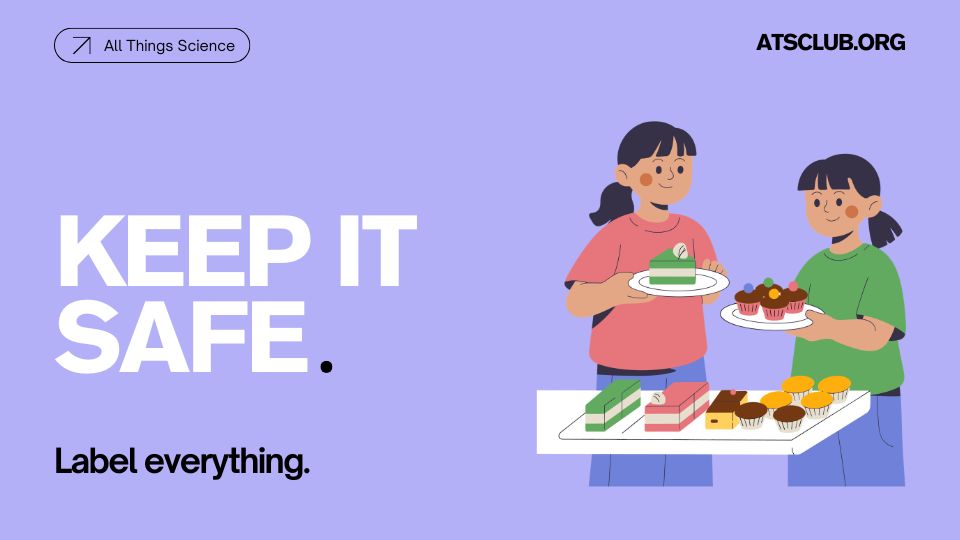
Allergen awareness is an important part of running a responsible school bake sale, and it is one of the areas where a little preparation goes a long way.
With peanut, tree nut, dairy, egg, and gluten allergies common in elementary and middle school populations, clear labeling helps families make safe choices and builds trust with the broader school community.
Ask every baker to include a card with the treat's name and a list of ingredients, particularly any of the major allergens: peanuts, tree nuts, milk, eggs, wheat, soy, fish, shellfish, and sesame. Keep these cards with the items throughout the sale so volunteers can answer questions accurately.
A few additional practices that make a real difference:
- Arrange allergy-friendly items in a separate area of the table with dedicated serving utensils to reduce cross-contact.
- Use individual packaging like plastic wrap or bags where possible so customers can pick up items without handling multiple goods.
- Post a brief note near the table reminding customers that items were prepared in home kitchens not subject to commercial inspection.
Some schools have policies around which allergens are permitted at school events. Check with your principal or school nurse before the sale to make sure your setup aligns with any existing guidelines. Labeling requirements for school bake sales vary by state and district, so confirming local rules ahead of time protects both your group and your customers.
Bake sale fundraiser ideas to raise more money

A standard bake sale is great, but a few creative additions can turn a decent fundraiser into a memorable one that raises significantly more.
Add a theme. Themed bake sales attract more interest and give bakers a fun creative challenge. Holiday themes like Halloween, Valentine's Day, or winter holidays are perennial favorites. Spirit-day themes tied to school colors or mascots also work well and create natural photo opportunities for promotion.
Hold a bake-off or competition. Invite families to enter their best item in a category, charge a small entry fee, and let supporters vote with dollar bills or tickets. The friendly competition generates buzz, drives participation, and adds a fun event element on top of the sale itself.
Offer pre-orders for specialty items. Whole cakes, pies, and specialty baked goods sell for significantly more than individual portions. Letting families pre-order these items ahead of the sale guarantees sales before the event even starts and gives talented bakers a chance to contribute something more ambitious.
Pair the bake sale with another event. Bake sales held alongside school fairs, movie nights, science showcases, or sporting events benefit from built-in foot traffic. Even setting up near the entrance at a school play or concert can double your sales without requiring any additional planning.
Accept digital payments. Offering a Venmo, PayPal, or card reader option alongside cash means you never lose a sale because a family did not bring money. Many parents carry little to no cash, and a simple QR code taped to the table can recover sales that would otherwise be lost.
How much money can a bake sale fundraiser make?
Bake sales are not typically a school's highest-earning fundraiser, but they can still bring in meaningful amounts with relatively little effort. Most school bake sales raise between $200 and $1,000 depending on the size of the school, the quality of promotion, and the location and timing of the event.
Bake sales held during high-traffic school moments, like parent-teacher conferences or school fairs, tend to perform better than standalone events because the foot traffic is already there. Schools that incorporate themes, pre-orders for whole items, or digital payment options often see higher totals than those running a basic table setup.
Where bake sales really shine is as a lower-effort complement to larger fundraising campaigns. A well-timed bake sale in the final push of a bigger fundraising drive can help a school cross a specific dollar threshold. And as a community-building event, the value goes well beyond the dollar amount raised.
5 tips for a successful school bake sale

1. Pick a high-traffic time and location
Location and timing are often the biggest predictors of bake sale success. Morning drop-off, school fairs, and parent events all bring natural foot traffic that a standalone event has to work harder to generate. Setting up where people are already gathering removes one of the biggest barriers to participation.
2. Aim for variety across flavors, dietary needs, and price points
A table full of only one or two items limits your audience. Aim for a spread that includes classic crowd-pleasers, a few special or seasonal items, and at least some allergy-friendly options. Offering treats at different price points, from $1 cookies to $20 whole cakes, gives every customer something they can buy.
3. Make the display inviting
Presentation matters more than most organizers expect. A clean, well-organized table with clear labels, consistent pricing, and a sign showing the fundraising goal draws people in and communicates that the event is organized and worthwhile. Even simple touches like a tablecloth and a few tiered stands can make a significant visual difference.
4. Tell people exactly what they are supporting
Families are more likely to stop, buy, and encourage others to do the same when they know the specific goal. Post a sign at the table that names the cause clearly: "All proceeds fund our 4th grade field trip" is more compelling than a generic fundraiser sign. Specific goals create a direct connection between a purchase and an outcome.
5. Assign someone dedicated to cash and payments
Nothing slows down a bake sale line faster than the person handling money also trying to help customers choose items. Designate at least one volunteer whose only job is handling transactions. Start with a full cash box that includes small bills and coins for change, and set up digital payment options in advance so they are ready to go from the first minute of the sale.
Fundraising with All Things Science

A bake sale fundraiser is a simple, low cost way to raise meaningful funds for your school without complicated logistics or major upfront expenses.
If you want to take it a step further, you can tie the fundraiser to something students are genuinely excited about. Schools can partner with organizations like All Things Science to offer a reward like free enrollment in a STEM camp or after school program for top participants. When students have a clear goal, families tend to lean in a little more.
With a little planning, a bake sale can strengthen your school community while helping more students access hands on enrichment opportunities.
Bake sale fundraiser FAQ
How do you organize a school bake sale?
Pick a date and location, choose someone to lead it, and ask families to donate baked goods. Promote the sale through the school newsletter, email, and social media about a week in advance. On the day of the event, set up an inviting table with clear pricing and have volunteers ready to help with sales.
What sells best at a school bake sale?
Classic favorites always win. Chocolate chip cookies, brownies, cupcakes, and rice crispy treats are reliable sellers. Individually wrapped items move quickly because they are easy to grab and go.
How much should you charge?
Most schools price cookies and brownies between $1 and $3. Cupcakes and muffins typically range from $2 to $3. Specialty items can go for $3 to $5. Keep prices simple and round to whole dollars.
How much money can a bake sale raise?
Many school bake sales raise between $200 and $1,000. Promotion, foot traffic, and variety all make a difference. Offering digital payment options can also increase total sales.
Do you need to label allergens?
Yes. Label each item with its name and common allergens such as nuts, dairy, eggs, and gluten. Check with your school or district for any specific requirements and keep allergen friendly items separate.
Hands-on STEM for parents and schools
Give your students access to great after-school STEM programs year-round
Get started ➔



.jpg)
Take a Look at our Featured Articles
Dive into the vibrant world of STEM through articles from your favorite scientists and engineers, all in one place.




Join the 1000+ families enrolled in All Things Science
Tell us where to send you some free STEM resources today.


