engineering

Build the world you want to see

Discover hands-on engineering programs for K–8 students near you.

St. Paul's Lutheran

"My son has joined this program every time it's been offered, and it keeps getting better. It's one of his favorite things about school, with hands-on, creative problem solving."

Jennifer Lewis
Parent
Sequoia Academy

"My kids always ask if they have science club tomorrow. It's fun, hands-on, and age-appropriate, and it helps them connect science to daily life. The teachers are fun, professional, and supportive."
Jane Love
Parent Volunteer
St. Paul's Lutheran

"My son has joined this program every time it's been offered, and it keeps getting better. It's one of his favorite things about school, with hands-on, creative problem solving."

Jennifer Lewis
Parent
Sequoia Academy

"My kids always ask if they have science club tomorrow. It's fun, hands-on, and age-appropriate, and it helps them connect science to daily life. The teachers are fun, professional, and supportive."

Jane Love
Parent Volunteer
Clubs
Weekly engineering clubs hosted on campus right after school. All Things Science educators guide students through a new design challenge each week.
Camps
In-person, week-long engineering camps hosted by All Things Science at local schools and campuses. Designed to keep your students challenged and connected while school is out of session.
Labs
In-school engineering labs for the entire school. Each grade rotates through hands-on lessons that complement and enrich what students are learning during the school year.

Real engineering challenges

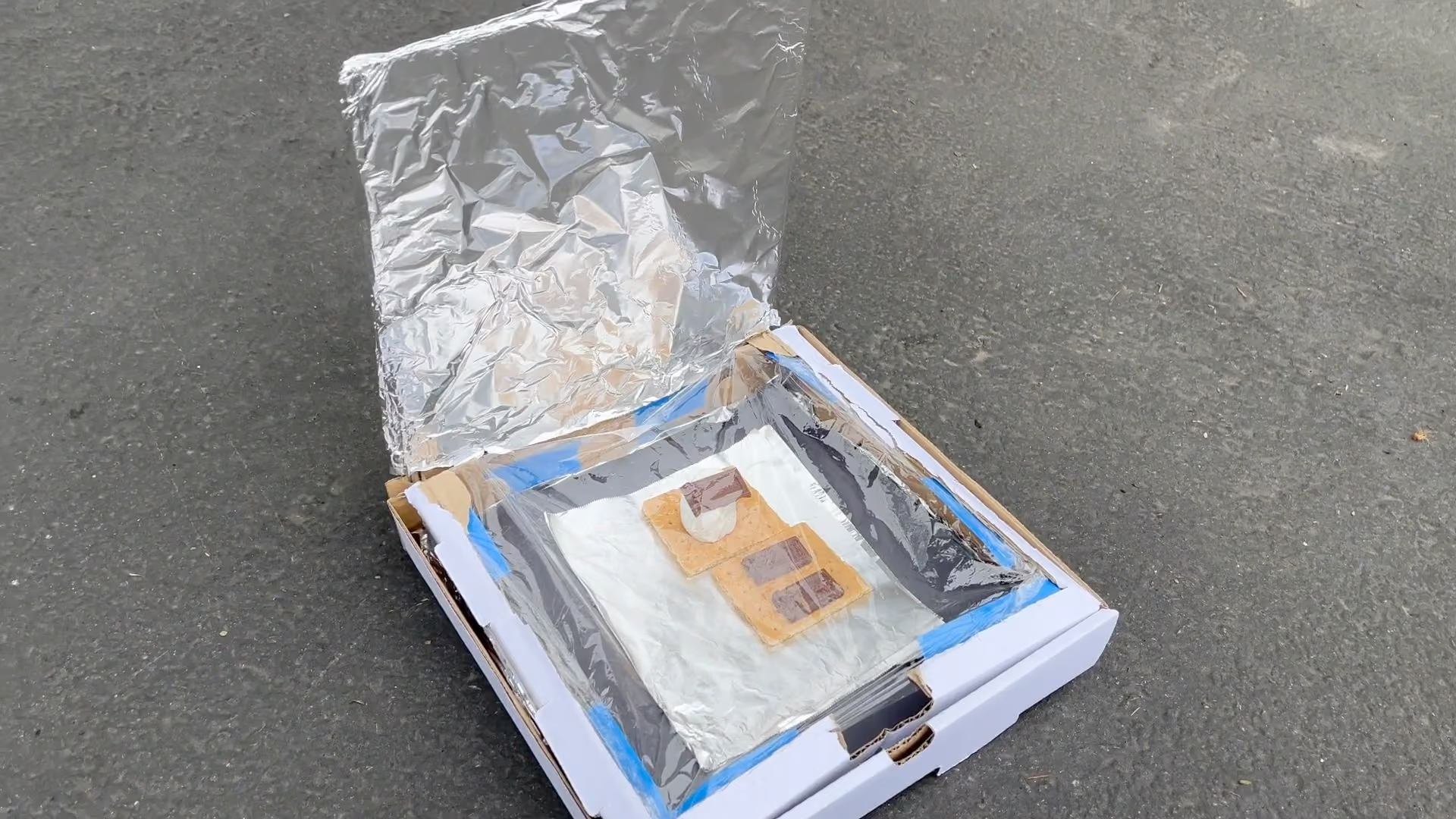
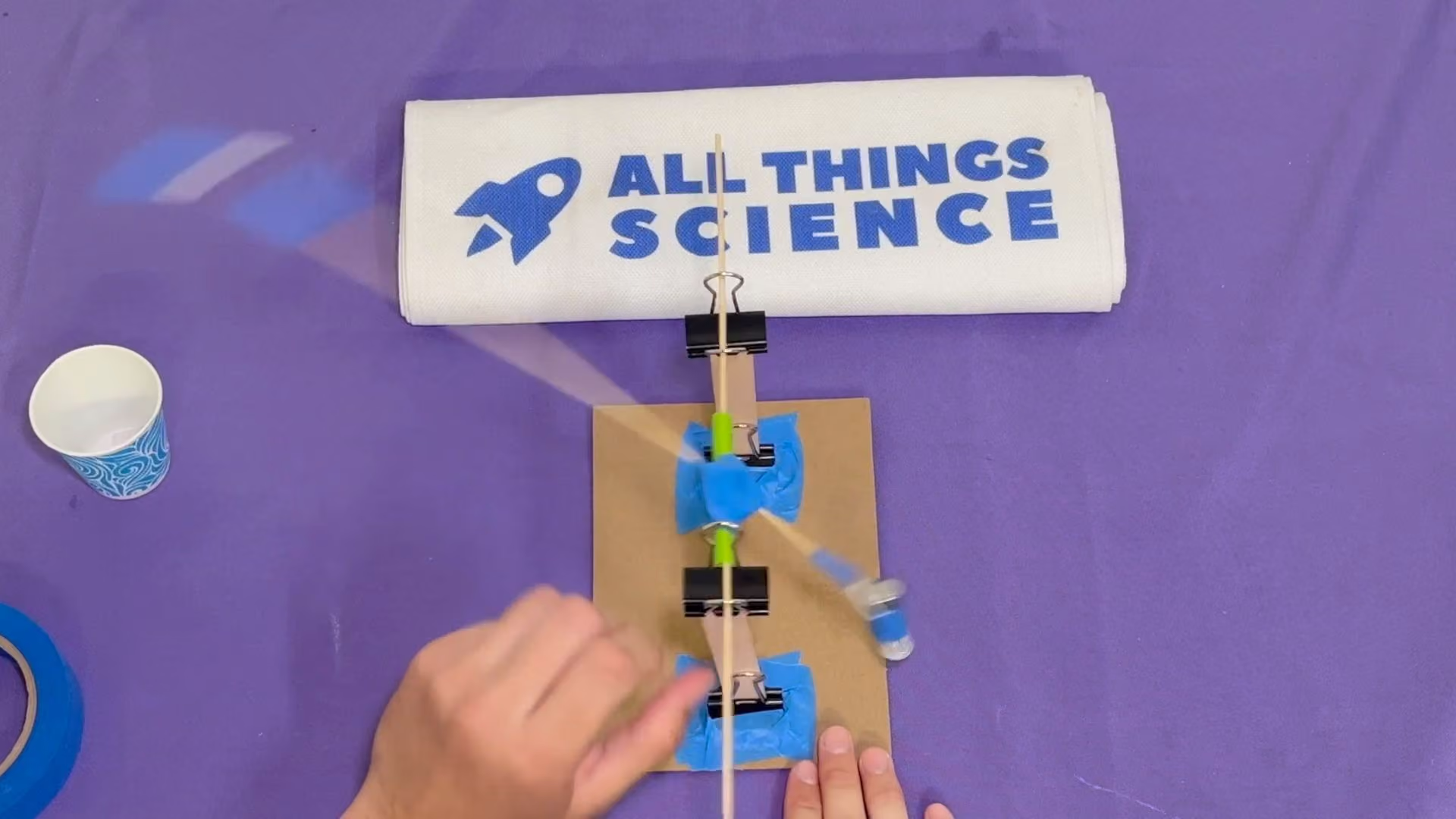
Students tackle projects like solar ovens, kinetic boats, catapults, and egg drop challenges while learning about mechanical, civil, and environmental engineering.

Engineering design process
Civil engineering
Mechanical engineering
Environmental engineering
Activities

Build projects and learn how engineers solve problems
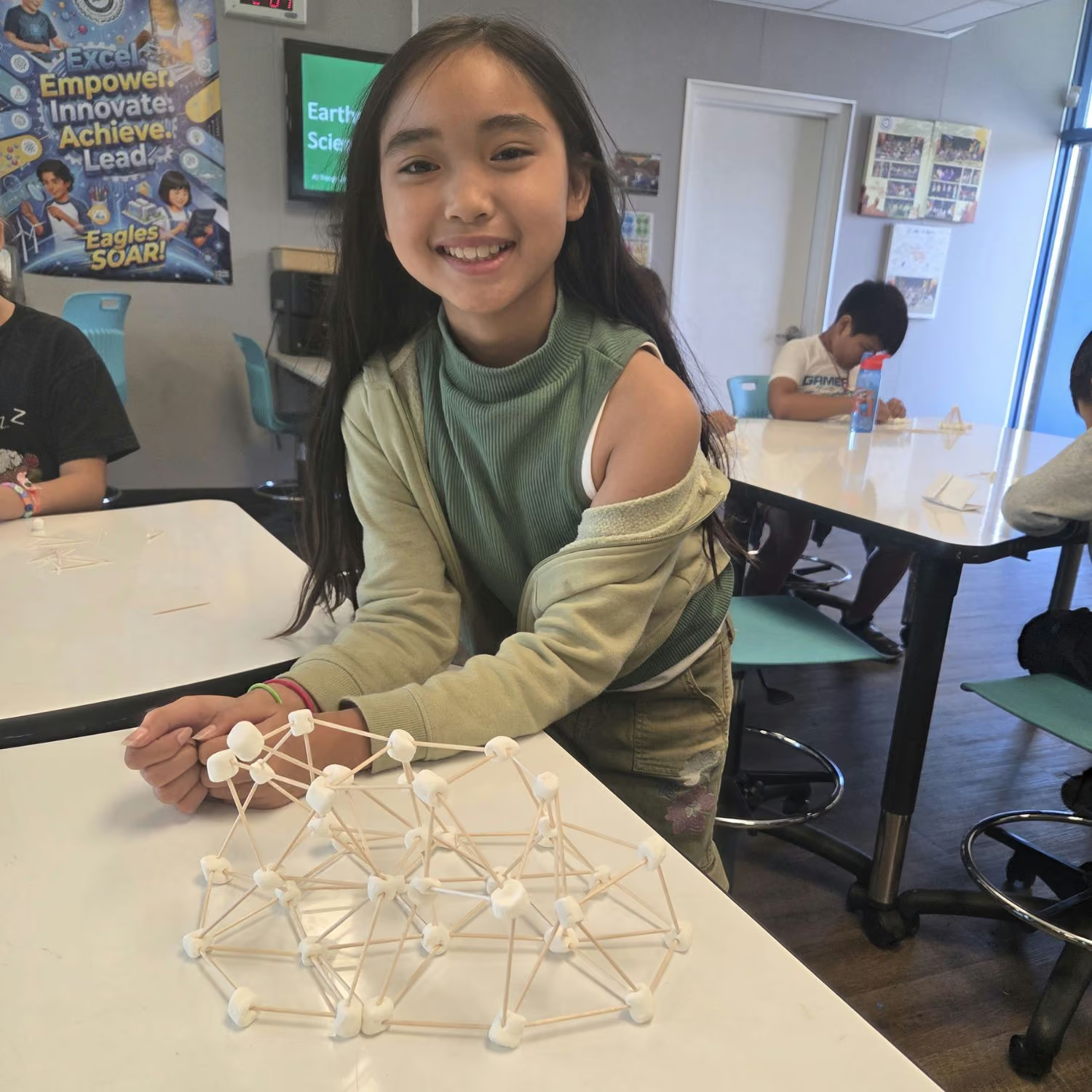
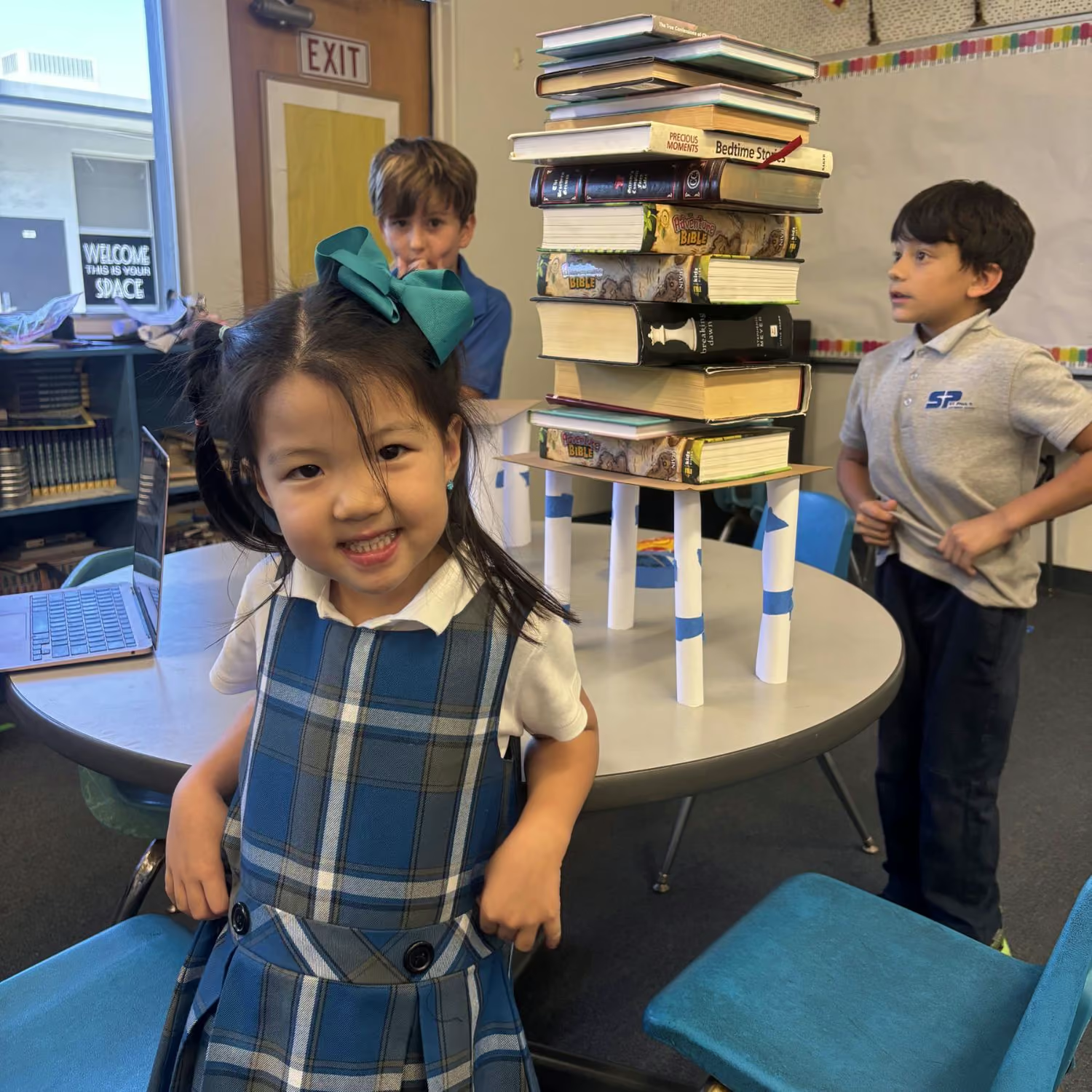
Design earthquake-resistant structures and see which ones stay standing when the ground shakes.
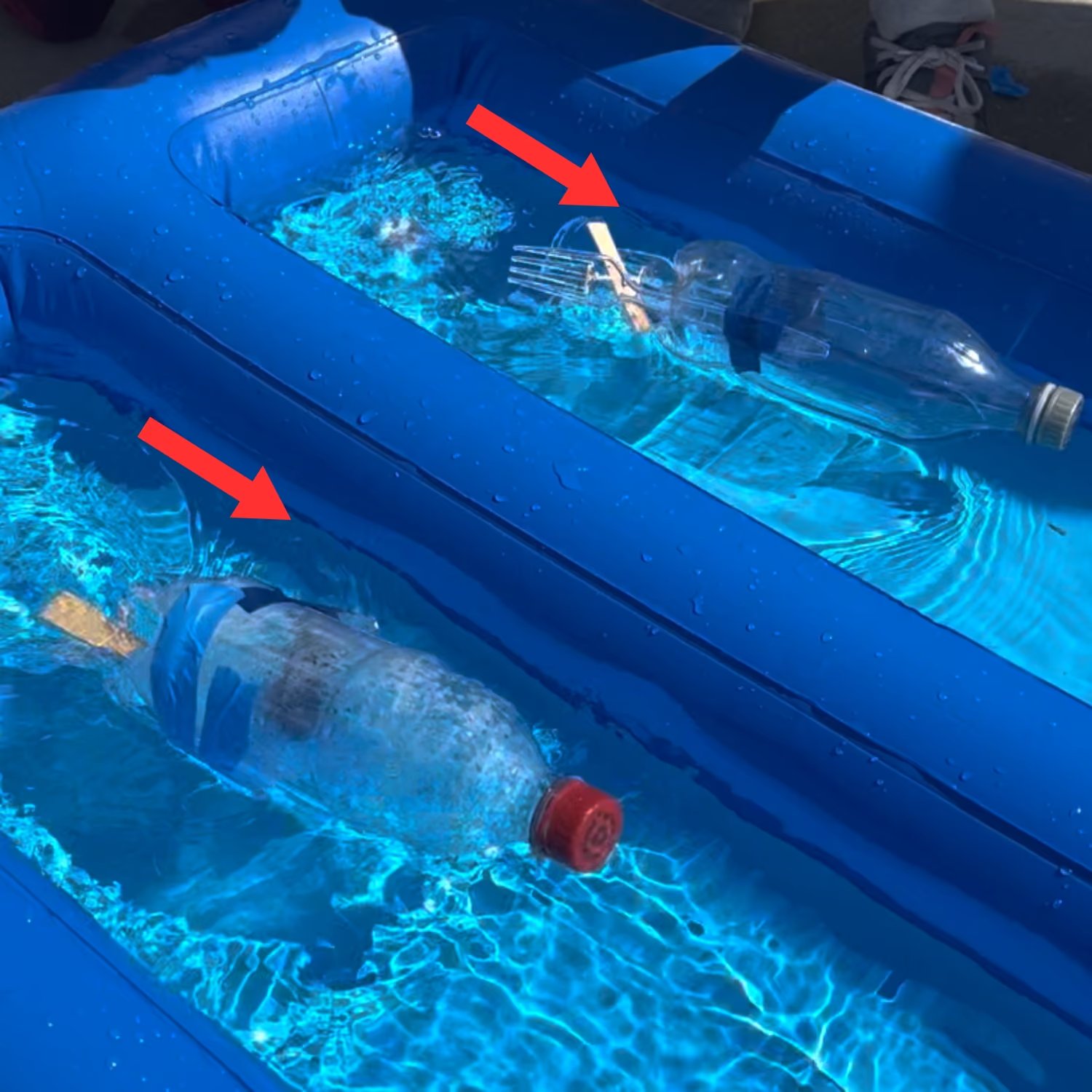
Build kinetic paddle boats that use physical mechanisms to move across the water.
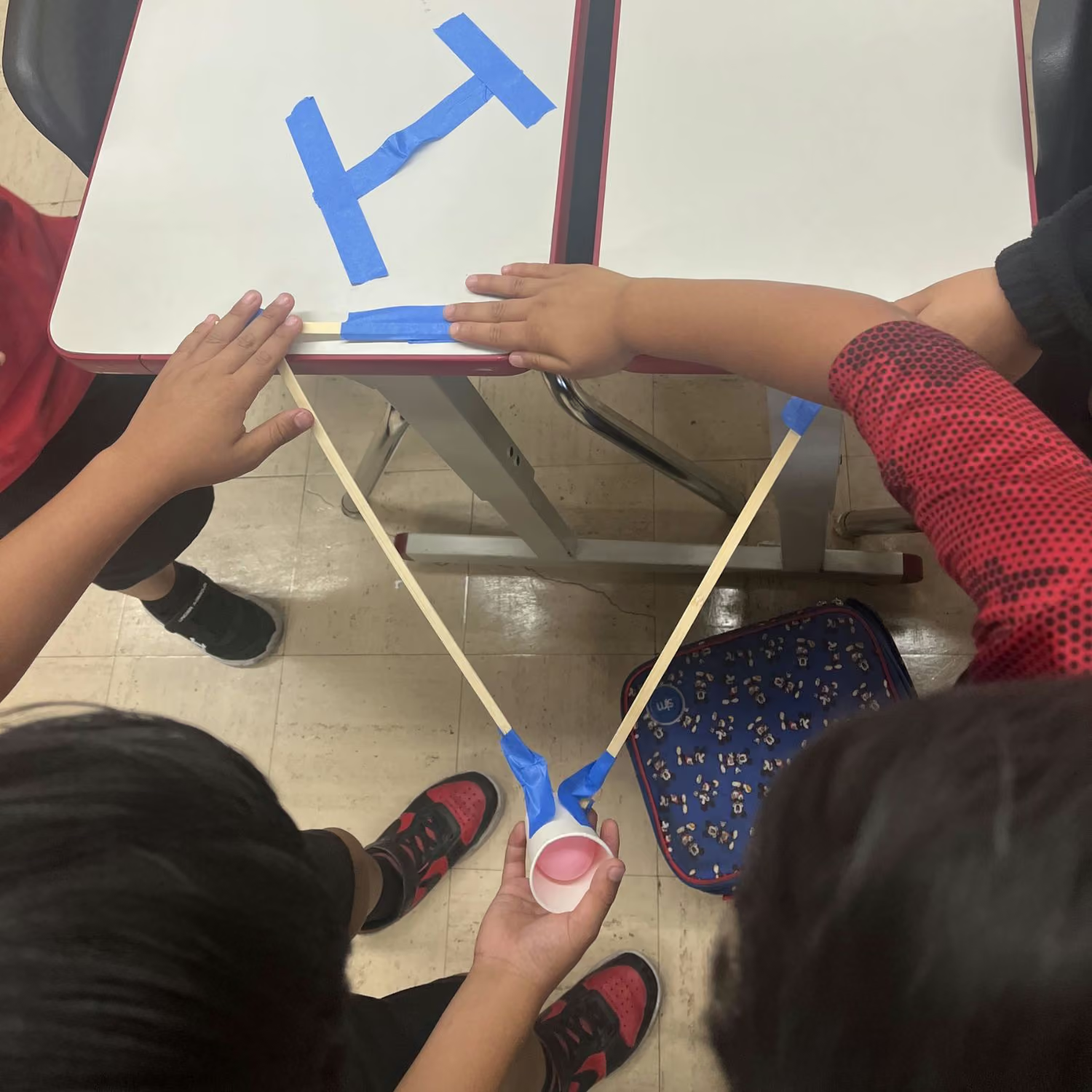
Build dynamic catapults and test how stored energy sends objects flying.
Benefits

Engineering works best together

Real engineers rarely work alone, and neither should your student. All Things Science hosts engineering programs for kids so they can work with friends to plan, build, and test projects like catapults and egg drops, learning to share ideas and improve their designs as a team.

OUTCOMES

What the data says about engineering programs

13%
Better understanding
Students in engineering design programs showed a 13% increase in their understanding of how engineers solve problems.
24%
Improved performance
Students in hands-on engineering programs showed 24% greater improvement in science than their peers.
82%
Increased interest
82% of students said engineering design projects increased their interest in STEM subjects.

Questions?

We’re glad you asked.

What do students do in an engineering program?

In an engineering program, students learn how to take an idea and turn it into something that actually works. They build, test, and improve projects while learning how engineers solve problems when the first design does not work as planned. All Things Science hosts engineering programs at local schools through after-school clubs, in-school labs, and summer camps.

When should kids learn about engineering?

Elementary and middle school are a good time to introduce engineering because students can learn the design process before the math and science behind it become more advanced. That early experience gives them a stronger starting point when they encounter engineering concepts later in school. All Things Science structures each engineering program around the grade level of the students participating.

Why are engineering programs important for kids?

Engineering teaches students that solving a problem usually takes more than one attempt. Learning how to test an idea, figure out what went wrong, and improve the design helps build the kind of problem-solving skills used throughout science, technology, and engineering.

Where can kids sign up for an engineering program?

Parents can find engineering programs through local schools, STEM organizations, camps, and science centers. All Things Science hosts engineering programs directly at schools throughout Southern California during the school day, after school, and over the summer.

What makes All Things Science one of the best engineering programs for kids?

All Things Science gives K–8 students experience with the engineering design process through projects they can physically build and test themselves. Instead of simply being shown how something works, students get to make decisions, see the result, and improve their own design.

Ready to invent something new?