
How Assumption of the Blessed Virgin Mary School gave every TK–8th grade student a hands-on STEM lab
Intro
For a small private school, adding a new subject often means adding everything that comes with it.
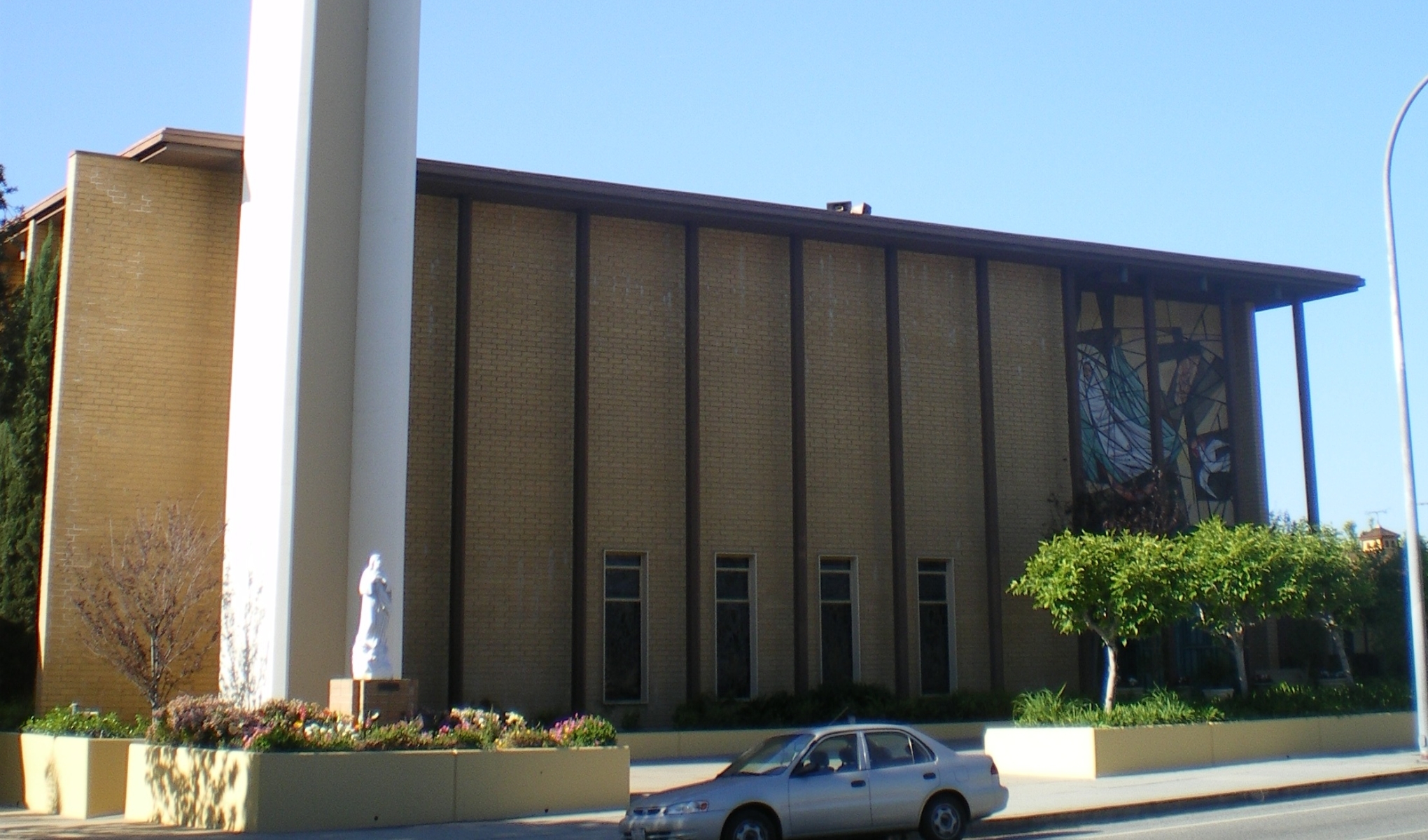
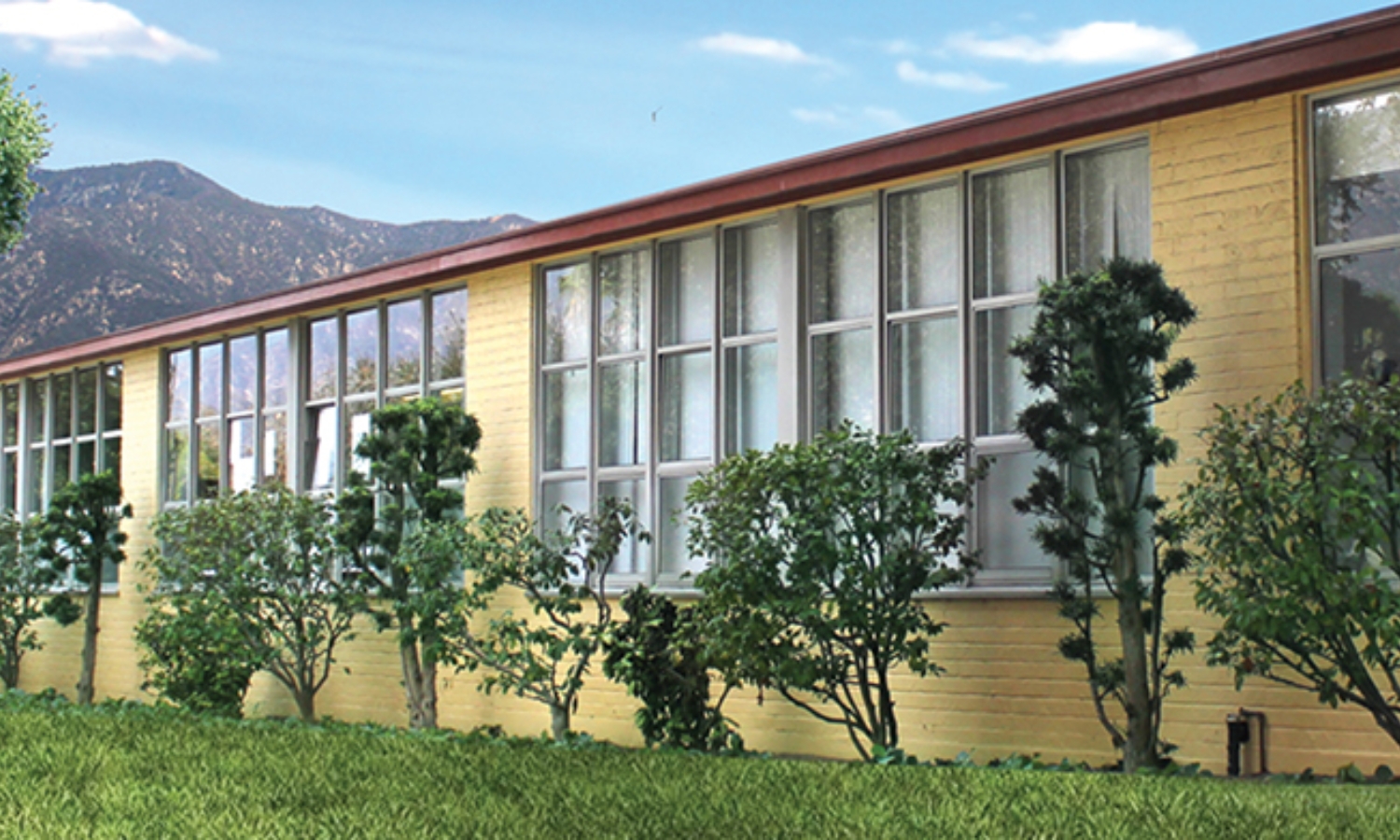
Assumption of the Blessed Virgin Mary School has served Pasadena families since 1952. The Catholic parish school sits in the foothills of the San Gabriel Mountains and teaches students from transitional kindergarten through eighth grade on a single campus. Its Odyssey of the Mind teams won state championships in 2019, 2021, 2022, and 2023, and have placed in the top 15 at the World Finals several times.
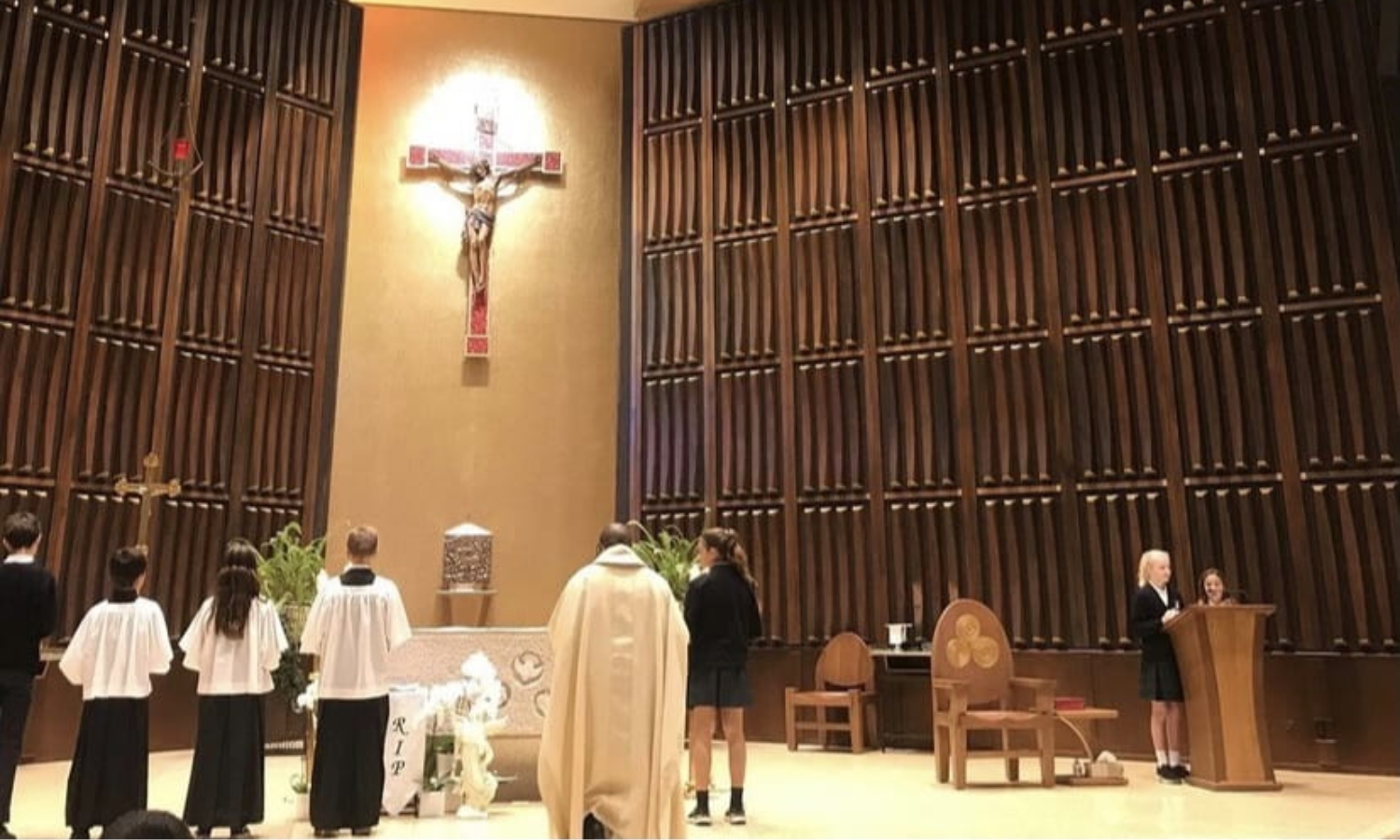
The school’s mission is preparing students to achieve their greatest potential in a nurturing and Christ-centered community. Its philosophy holds that students learn best when their unique qualities are accepted, and that a Catholic education should form academic achievers who are also stewards of God’s creation. The school’s motto is three words: Learn. Pray. Become.
Assumption wanted science and engineering to have a regular place in that education, for its youngest students and its oldest ones.
The problem
A STEM program for TK through eighth grade takes more than a block on the schedule. It needs a teacher who can work across ten grade levels, a curriculum that builds from one year to the next, materials for every lesson, and someone to keep it running week after week.
At a larger school, that work might sit with an existing science department. At Assumption, it would have meant starting one. The school would need to recruit and hire a full-time STEM teacher, then decide what that teacher should teach at each grade.
Supplies added another layer. Hands-on lessons run on materials, and those materials have to be chosen, ordered, stored, and restocked for every class on campus.
Then there was the day-to-day work of running the classes: building a schedule for each grade, keeping lessons on track, and making sure a lesson works as well for a kindergartner as for an eighth grader.
For a small Catholic school with a full academic program already in place, that was a lot to take on. Assumption needed STEM for every grade without having to build the department itself.
The solution
In fall 2024, Assumption brought All Things Science on campus to run in-school STEM labs for every grade and classroom, TK through eighth grade.
The labs run on Thursdays and Fridays. Each grade has its own time slot every week, and students spend it working through a STEM lesson with their All Things Science educator. The educator arrives with the lesson and the materials, so classroom teachers don’t have to plan the lab or gather supplies.
The lessons are built for each grade. The youngest students build, sort, and describe what they notice. Upper elementary students run tests, record results, and compare them. Middle school students take on design challenges with more variables and more decisions left to them.
Because the same program runs through all ten grades, students have STEM every year they’re at Assumption. A concept introduced in an early grade can come back later with more depth, and each year builds on the last.
The results
Since the partnership began in fall 2024, every classroom at Assumption has had a weekly STEM lab. All ten grade levels, TK through eighth, have dedicated time for hands-on science and engineering, scheduled across two days each week.
For the school, the program runs without a new full-time hire, a curriculum written from scratch, or a supply closet to manage. Teachers keep their focus on the rest of the academic program, and the STEM block holds its place on the schedule.
The labs also build on something Assumption already does well. The problem solving and teamwork behind its Odyssey of the Mind teams now start in TK and reach every student, whether or not they ever join a competition team. By eighth grade, students head to high school with nine years of hands-on STEM behind them.
Assumption’s philosophy describes its students as stewards of God’s creation. Each week, students from TK through eighth grade spend time learning how that creation works by building things, testing them, and asking why.
What’s next
All Things Science runs in-school STEM labs for private and parochial schools across Southern California, including schools that want a full STEM program for every grade without building a department of their own.
